Selecting the Right Painting Contractor: Tips for a Flawless Finish
Picking the right painting contractor is vital for obtaining a flawless finish. A qualified contractor can make a significant difference in the result of a project. However, many factors come into play, including qualifications, experience, and cost estimates. Understanding these factors can help homeowners make informed decisions. As the process unfolds, several key considerations will emerge that may impact the final choice.
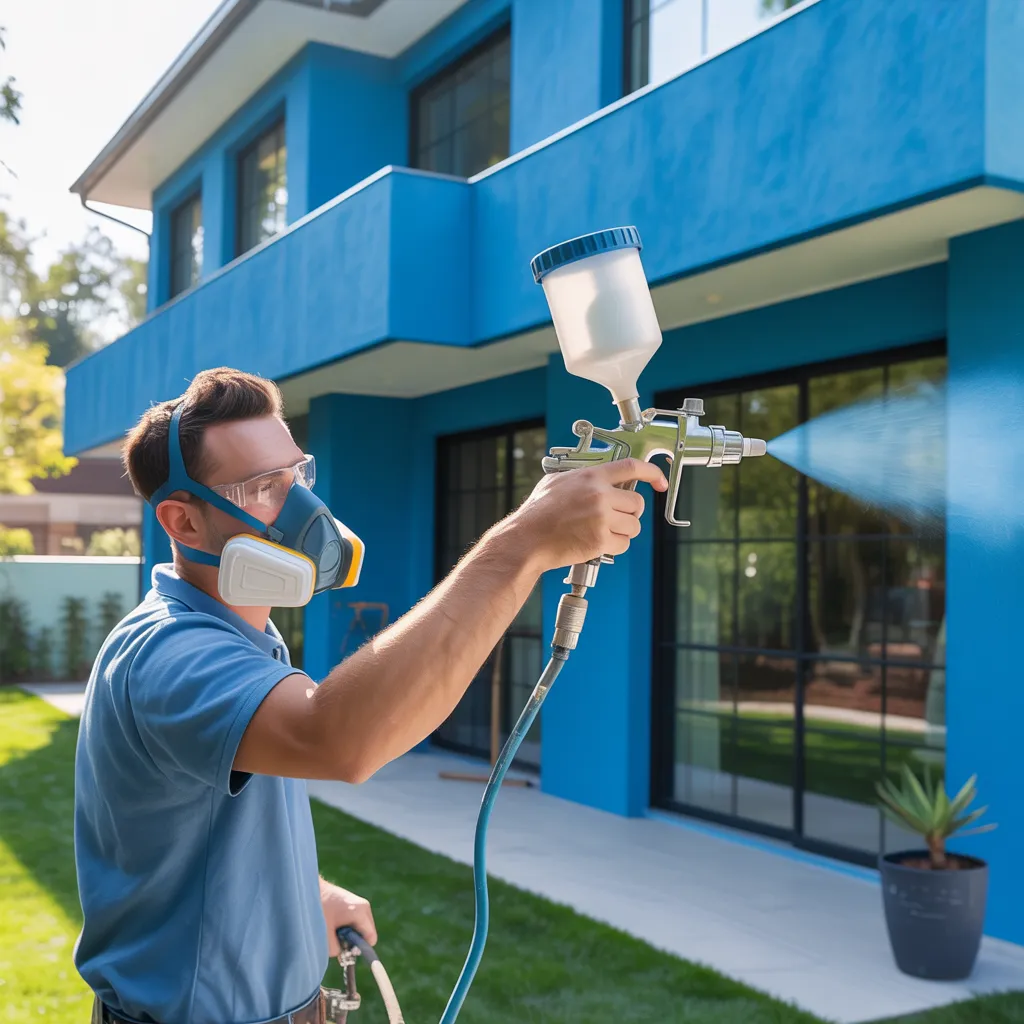
What Credentials Must Your Painting Contractor Have?
In choosing a painting contractor, it is vital to evaluate their qualifications to ensure a successful project. Key qualifications include licensing and insurance, which indicate compliance with local regulations and provide protection against potential liabilities. A reputable contractor should possess a valid business license, establishing their legitimacy in the industry.
In addition, accreditations from reputable organizations can reveal proficiency in numerous techniques and safety practices. Experience in the field is crucial; contractors should have a reliable track record of completed projects, demonstrating their ability to handle various situations. Moreover, knowledge of different paint types and application methods is crucial for achieving the desired finish.
Last but not least, superior communication skills are critical. A competent contractor should be able to discuss project details clearly, address concerns, and provide precise estimates. By emphasizing these qualifications, homeowners can pick a contractor able to delivering a superior painting project.
How to Check a Contractor's Experience and Portfolio
When selecting a painting contractor, it is essential to evaluate their experience and portfolio. Reviewing completed projects provides insight into the contractor's workmanship and style. Also, verifying their industry experience can help validate they maintain the appropriate skills and reliability for the job.
Assess Completed Projects
A detailed analysis of a painting contractor's completed projects provides essential insights into their expertise and workmanship. Examining a diverse portfolio allows potential clients to determine the contractor's competence in providing quality work across different styles and settings. Analyzing details such as color application, surface preparation, and overall finish can demonstrate the contractor's attention to detail and skill level. Additionally, visiting completed job sites, if possible, presents a firsthand perspective at quality and appearance. Client testimonials connected to these projects can provide additional information about the contractor's reliability and professionalism. Ultimately, analyzing past work not only highlights a contractor's strengths but also offers a clearer understanding of what can be expected in future engagements.
Confirm Industry Experience
How can one effectively verify a painting contractor's industry experience? First, prospective clients should request documentation of the contractor's operational history and any relevant certifications. An experienced contractor is certain to maintain a portfolio featuring previous work, including pictures and testimonials from clients. Evaluating completed projects can reveal information about the contractor's skills and style. Moreover, examining online reviews, ratings on platforms like Yelp or Angie's List, and local Better Business Bureau accreditation can help verify dependability. Engaging in discussions with past clients can also deliver personal insights of their experiences. By extensively reviewing these areas, clients can make educated choices about the contractor's qualifications and ability to deliver quality results.
Key Questions for Your Initial Contractor Consultation?
What important questions ought to be considered when initially consulting with a painting contractor? Start by asking about their specific experience in residential or commercial settings, as this can determine the work quality. Following that, discuss which paint varieties and materials they suggest and the rationale behind these choices, making sure they align with your preferences and durability expectations. It is also important to discuss the project timeline; understanding how long the job will take helps in planning. Furthermore, verify that the contractor maintains proper licensing and insurance, offering protection from possible liabilities. Requesting references from previous clients provides insight into the contractor's reliability and quality of work. In conclusion, clarifying their surface preparation and cleanup procedures is important, as these factors considerably affect the end finish. These inquiries will help homeowners choose a contractor that fulfills their particular needs and expectations.
How to Obtain Precise Cost Estimates and Quotes?
Securing accurate cost estimates and quotes from painting contractors requires thoughtful preparation and clear communication. To start, homeowners should gather specific details about the project, including the size of the area to be painted, the type of paint wanted, and any needed surface preparation. This information offers contractors with a solid foundation for their estimates.
Next, it is wise to request several quotes from various contractors, allowing comparisons of services and pricing. Homeowners should obtain itemized estimates that outline labor, materials, and any additional costs. This transparency assists in understanding what each contractor offers.
Furthermore, going over timelines and potential obstacles can result in more accurate quotes. Homeowners should remain available for questions from contractors, as these can make clear project scope and expectations. By building a collaborative atmosphere, homeowners boost the likelihood of receiving detailed cost estimates designed for their specific needs.
Timeline Expectations: What You Can Expect
Comprehending project timelines is essential for homeowners starting a painting project. A clear timeline assists in establish expectations and guarantees that the work advances smoothly. Generally, the duration of a painting project can span from a few days to several weeks, depending on factors such as the size of the space, the complexity of the job, and the number of surfaces being painted.
Contractors often start with a preliminary assessment, which may take a day or two. Once this is complete, preparatory tasks, including sanding and priming, can take additional time. The actual painting typically needs two to three coats, with drying time between each coat.
Property owners must also think about possible setbacks due to weather patterns or unanticipated fixes. A trustworthy contractor will deliver a detailed timeline, allowing homeowners to plan accordingly. Strong communication across the project can moreover support controlling timelines and guaranteeing a favorable conclusion.
What to Look for in Reviews and References?
How can homeowners effectively gauge the reliability of a painting contractor? An effective strategy is to analyze online reviews and references thoroughly. Homeowners should search for common threads in feedback, like reliability, work quality, and interpersonal skills. A contractor featuring extensive positive feedback usually signals a trustworthy reputation.
Furthermore, references from past clients can offer valuable insights. Homeowners should obtain contact information from the contractor and ask about their experiences. Questions concerning the contractor's adherence to timelines, professionalism, and overall satisfaction can expose essential information.
It's also vital to evaluate the overall rating across numerous platforms, as this can assist in identifying potential red flags. Moreover, watch out for overly positive reviews that may look scripted; authenticity is key. By diligently assessing reviews access resource and references, homeowners can make a more educated decision when picking a painting contractor.
Ensuring a Professional Contract and Warranty Terms
When selecting a painting contractor, it is essential to confirm that the contract clearly specifies important details, including scope of work and payment terms. A extensive warranty should also be included, detailing coverage and duration. These elements contribute significantly to a smooth project execution and protect the homeowner's investment.
Transparent Contractual Information
A well-defined contract is essential for a successful painting project, as it not only outlines the scope of work but also secures both the homeowner and the contractor. Specific contract provisions should include precise details about the project timeline, materials to be used, and labor costs. It is critical to specify any preparatory work required, such as surface cleaning or repairs, to prevent misunderstandings. Homeowners should guarantee that payment schedules are clearly outlined, including deposits and final payments. Moreover, the contract should address likely adjustments to the project scope and how these will be addressed. By establishing clear expectations upfront, both parties can decrease disputes and improve the likelihood of a satisfactory outcome.
Understanding Warranty Coverage
Warranty coverage is a crucial factor of selecting a painting contractor, as it gives homeowners with confidence regarding the quality and longevity of the work. A comprehensive warranty confirms that any problems or defects arising from the contractor's workmanship will be addressed without additional costs. Homeowners should investigate the specifics of the warranty, including its length and what it covers. It is also important to understand the conditions that may nullify the warranty, such as incorrect maintenance or environmental factors. A credible contractor will provide clear warranty terms and be willing to put them in writing, creating trust and accountability. This diligence secures the homeowner's investment and fosters a professional relationship with the contractor.
Outline of Payment Terms
Establishing clear payment terms is vital for a seamless contracting process when hiring a painting contractor. A properly structured contract should specify the total project cost, including both materials and labor costs. It is wise to establish a payment schedule linked to project milestones, such as deposits, progress payments, and final payments upon completion. This approach ensures accountability and keeps both parties synchronized throughout the project.
In addition, contractors should provide warranty terms that outline what is covered, length of coverage, and any requirements for claims. Comprehending these terms protects the homeowner's investment and promotes trust. By clarifying payment and warranty expectations upfront, clients can avoid misunderstandings and enable a more effortless and professional engagement with their preferred painting contractor.
Questions & Answers
What Paint Types Do Contractors Usually Recommend for Various Surfaces?
Construction professionals typically suggest latex coatings for wall applications, oil-based finishes for trim and cabinet surfaces, and acrylic-based paints for exterior surfaces. Each variety delivers excellent durability and proper adhesion, suited to the specific characteristics of different substrates.
What Steps Should I Take to Prepare My Home Before Painting Starts?
In preparing a home for painting, homeowners should clear furniture, eliminate wall decorations, clean surfaces, repair any imperfections, and tape edges. Proper preparation delivers a smooth application and enhances the final appearance of the paint.
Can I Remain in My Residence During the Painting Work?
Indeed, homeowners can stay in their house while painting takes place, though some inconvenience may occur. Sufficient air circulation and coordination around frequently used spaces are suggested to limit disturbances and maintain safety for all occupants.
What Should I Do if I'm Not Satisfied With the Paint Job?
Should dissatisfaction occur with the paint job, the homeowner should convey concerns directly with the contractor, request corrections, and maintain clarity on expectations. Recording issues can also facilitate resolving disputes promptly and effectively.
What's the Best Way to Maintain My Newly Painted Surfaces?
To maintain freshly painted surfaces, it's important to regularly wipe and clean them with a soft cloth. Don't use harsh chemicals, and consider utilizing a gentle cleaner for harder stains, guaranteeing the paint remains intact and vibrant.